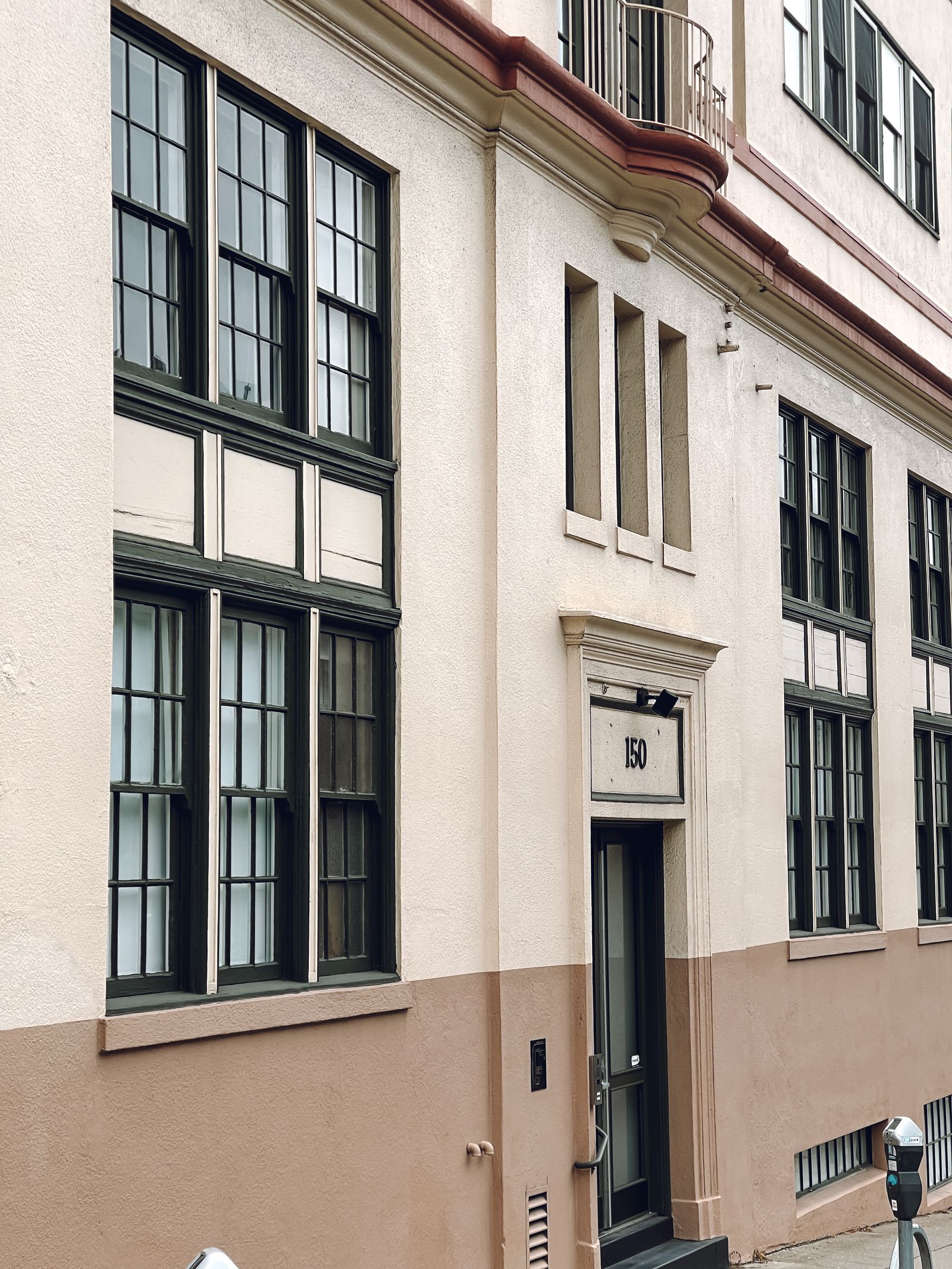
Soft washing puts more weight on chemistry and compatibility
Soft washing generally relies more on a compatible solution, dwell time, and controlled rinse than on impact force. It may fit organic growth, pollen, bird residue, and some atmospheric film on selected brick, masonry, stucco, EIFS, painted surfaces, and other tested materials. Lower pressure can reduce some mechanical stress, but it does not remove risks from chemistry, dwell, temperature, wind, plants, glazing, or water entering failed joints. A test area should be evaluated after drying when a Hagerstown facade has an unknown coating history, older masonry, prior repairs, or a demanding appearance standard.
Historic masonry deserves restraint. A darkened brick wall in Downtown Hagerstown may have soft mortar, patching, paint, sealant, or details that respond differently from a newer concrete block wall. The objective may be to remove compatible surface soil while preserving the character and condition of the assembly, not to make every brick look new. A quote should separate cleaning from repointing, paint removal, efflorescence treatment, restoration, and preservation decisions. The City Center or historic review context may also matter to the owner's process; cleaning is not an approval for alteration.
- Choose chemistry, dwell, pressure, and rinse by material and deposit, not by a universal recipe.
- Test older masonry, coatings, repairs, sealants, painted surfaces, and unknown substrates.
- Protect plants, glass, metals, air intakes, vehicles, and public routes during application and rinse.
- Stop when a mark behaves like mineral, oxidation, salt, damage, or a building-envelope problem.
Controlled pressure has a place, but impact is not a diagnosis
Pressure washing can be appropriate for selected durable concrete, some hardscape, loading areas, curbs, and other surfaces when the pressure, nozzle, distance, flow, and operator control suit the material. It can help move loose soil from a robust surface, but a stronger stream does not automatically address organic staining, embedded film, oxidation, salt, efflorescence, or a failed coating. Impact can etch concrete, strip paint, drive water into joints, damage mortar, lift coatings, or move contaminants toward a public route when the method is poorly matched.
A Hagerstown commercial scope should distinguish facade cleaning from flatwork. The concrete apron at a warehouse dock may tolerate a different approach than the brick wall above it. A retail sidewalk may need a controlled pressure rinse followed by recovery and slip checks. A painted metal panel, EIFS section, historic mortar joint, or storefront assembly may need low-impact treatment or hand detail instead. The proposal should name the surfaces and method by zone rather than letting the phrase pressure washing imply that every material will receive the same force.
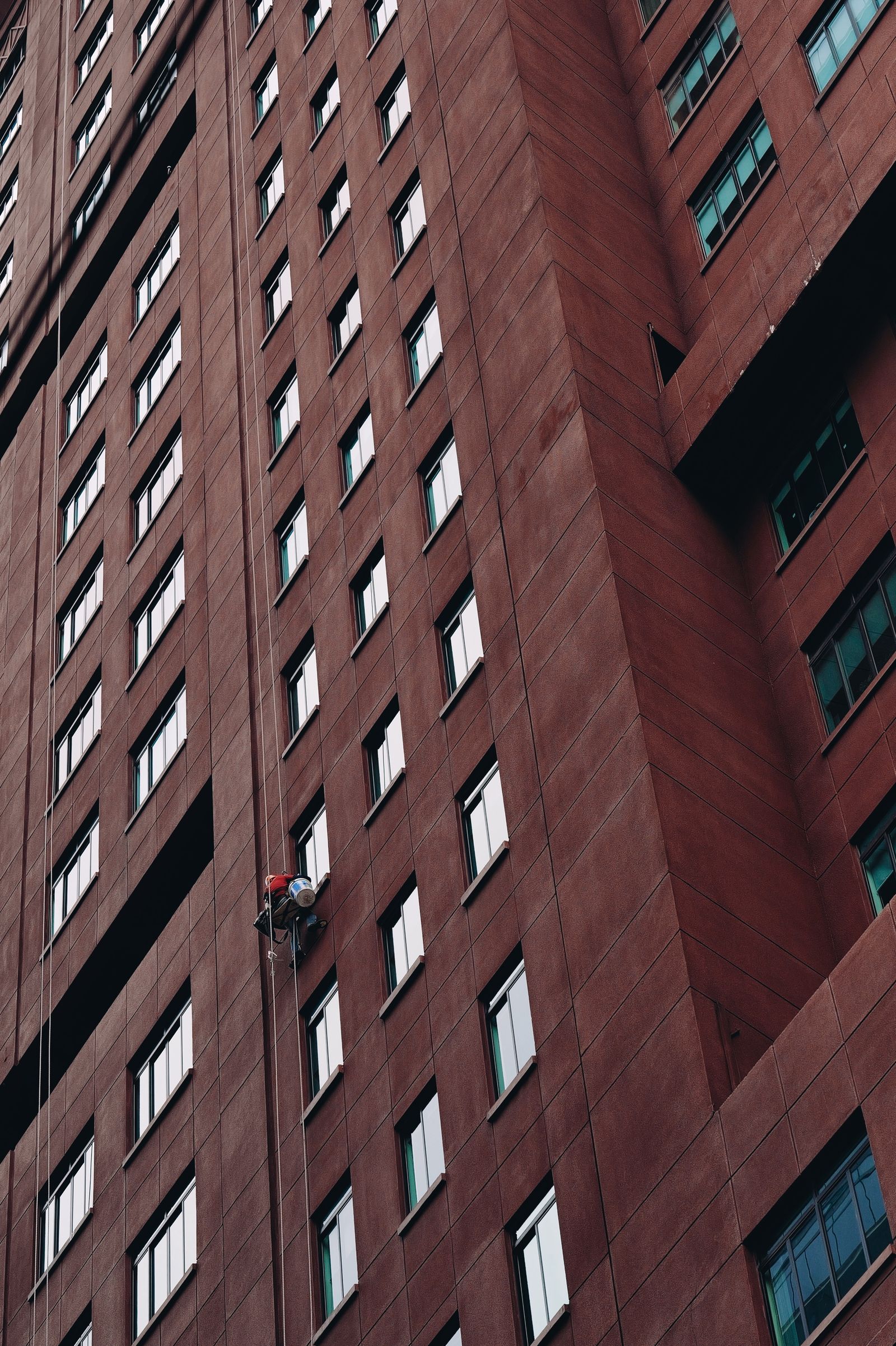
Use Hagerstown's corridors to define the real comparison
Downtown asks a method question and a public-space question at the same time. Soft washing may fit compatible masonry or painted areas with organic film, while carefully controlled contact work may be needed for storefront glass, signs, awning edges, and detail. Pressure on a narrow frontage can create spray, noise, overshoot, runoff, and pedestrian conflicts. A phased entry sequence, barriers, spotters, and a defined rinse path can matter more than the nominal pressure setting.
Valley Mall and surrounding retail properties typically need a clean appearance without turning customer circulation into a work zone. Soft washing may suit a stained wall or canopy when the materials are compatible. Selected concrete walks or curbs may call for controlled pressure, with attention to cart paths, doors, landscaping, storm drains, tenant schedules, and drying. A hybrid plan can keep a high-visibility storefront in one method while treating a durable service-side surface another way. The result should be judged after drying, not only by how dramatic the wet surface looks.
Dual Highway and the I-70/I-81 side of Hagerstown add roadside film, salt, truck traffic, loading operations, and large paved areas. A warehouse or distribution building may need wall treatment, dock and apron cleaning, sign visibility, and runoff controls as separate work packages. Medical properties add patient routes, drop-offs, air intakes, landscaping, and quiet hours. Method selection should follow the operational risk and material response at each elevation, not the corridor name or a promise of maximum force.
Compare methods against humidity, storms, and winter residue
Humidity, shade, and summer rain can support organic film on recessed entries, north-facing walls, and lower masonry. Soft washing may address that type of soil on a compatible surface, but the work still needs weather, dwell, rinse, protection, and drying controls. Pressure may move loose debris from a durable surface, but it cannot correct a gutter overflow or roof-edge defect that keeps returning. Both methods need a plan for wind, lightning, rain, public exposure, and where water travels.
Snow, deicing salt, and freeze-thaw change the winter comparison. Salt residue at a door or loading area may need a controlled rinse and recovery plan, but a pressure stream can spread residue across a route or toward an inlet. Ice, cold surfaces, and refreezing can make an otherwise acceptable cleaning unsafe for a customer or employee. Freeze-thaw can also reveal damaged mortar, spalling, open joints, or failed coatings that should be documented rather than attacked with more force. Choose the work window around conditions, not just the maintenance calendar.
- Confirm the forecast, wind, lightning, humidity, surface temperature, ice, and drying time.
- Treat salt and winter residue as a soil and runoff question, not an invitation to increase pressure.
- Inspect roof edges, gutters, joints, downspouts, and parapets when staining repeats.
- Set a finish expectation that distinguishes visible improvement from repair or restoration.
Make access, runoff, and occupancy part of the method decision
The method that looks best on paper can be the wrong choice once access and occupants are mapped. A lift needs stable setup, clearance, trained operation, and a controlled footprint. A water-fed pole can reduce height exposure but brings hose handling, reach, and overhead concerns. A ground setup may work for a low wall but not an upper recess. Aerial assistance may be considered only when current operating conditions, facade compatibility, visual control, public separation, weather, and authorization support it. None of these methods replaces contact detail, close assessment, or repair work where those are needed.
Runoff can change the answer. A low-pressure soft wash can still carry solution and removed soil toward a curb inlet. A pressure rinse can move a larger volume quickly across a sloped parking lot or dock apron. Before choosing, trace the path past doors, ramps, landscaping, loading zones, drains, neighboring property, and public walkways. Maryland Department of the Environment resources should inform the property's environmental review, particularly where industrial activity, stormwater permits, or discharge controls apply. The cleaning quote should state its assumptions and identify who confirms site requirements.
For occupied work, name the active entrance, accessible route, patient or shopper movement, deliveries, truck routes, security contact, water source, and stop authority. A method is only workable when the team can keep people, equipment, chemistry, and water in the planned zones. The safest finish is not useful if it leaves a closed doorway, slippery sidewalk, blocked dock, or unplanned discharge behind.
Use a test area and a written scope to choose confidently
A test area is valuable when the substrate, deposit, or desired finish is uncertain. Identify the location, method, solution, dwell, pressure, rinse, protection, and drying period. Compare the result with the owner's acceptance standard, including color variation, remaining mineral or salt residue, shadowing, mortar condition, coating response, glass appearance, and the visibility of repeat water paths. Do not turn a disappointing test into an automatic escalation of chemistry or pressure. Pause and reassess the cause.
The proposal should state included surfaces, method by zone, access, test requirements, protection, water source, runoff assumptions, weather limits, closeout documentation, exclusions, and conditions that change the scope. It should separate washing from glass polishing, paint removal, oxidation treatment, efflorescence, repairs, masonry restoration, and envelope diagnosis. This is what lets a property manager compare a soft wash, pressure wash, or hybrid recommendation on the actual building rather than on a label.
Drone Building Cleaners can review the address, facade photos, approximate height, material information, desired result, property calendar, water and drain details, access limits, and known damage to begin that comparison. Call +1 239-351-2897, email contact@dronebuildingcleaners.com, or use the existing quote and contact path. A request starts a site-specific review; it does not promise that every surface, access method, or aerial operation is feasible.