Start with the Hagerstown building and its materials
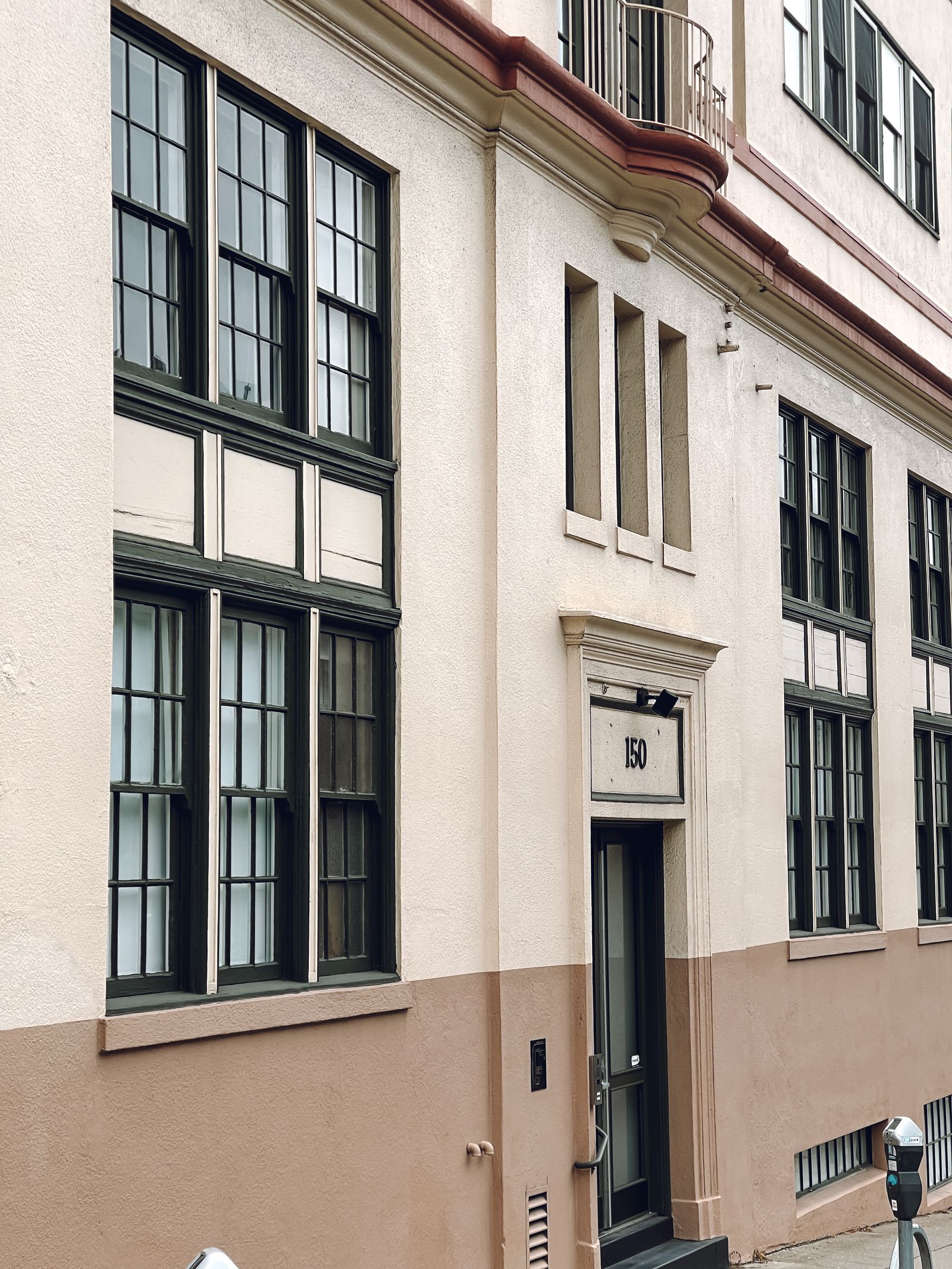
A Hagerstown commercial property may combine older brick and mortar, painted block, precast concrete, stucco, EIFS, glass, metal panels, awnings, signs, sealants, and repaired sections. Downtown buildings can place historic masonry beside newer storefront glazing, canopies, signs, and sidewalk entrances. A retail center may have tenant finishes, monument signs, curbs, parking lanes, and drive-through movement. A medical or office property can add covered drop-offs, accessible routes, air intakes, landscaping, and quiet work windows. A warehouse may add dock doors, trailer movement, corrugated panels, security equipment, and long hose runs. The scope should divide these into material and operating zones.
A compatible soft-wash process may help with organic staining, pollen, mildew-like growth, bird residue, and some atmospheric soil when the solution, dwell time, pressure, rinse, and protection fit the substrate. It is not a repair for open mortar, spalling, cracked concrete, failed sealant, leaking roof edges, corrosion, damaged coatings, or a drainage defect. A dark mark may be mineral residue, oxidation, soot, embedded road film, or a repeat water path rather than removable growth. A useful quote names likely causes, representative test areas, included elevations, expected improvement, and limitations before work begins.
- Separate brick, mortar, concrete, glass, metal, stucco, EIFS, painted, and coated zones.
- Distinguish organic staining from minerals, oxidation, soot, salt, traffic film, and repeat wetting.
- Use test areas when masonry age, coatings, repairs, or stain causes are uncertain.
- Keep restoration, leak diagnosis, glass polishing, coating replacement, and repairs outside routine washing.
Build the sequence around Downtown, Valley Mall, and Dual Highway
Downtown Hagerstown work often shares a narrow public-facing edge with sidewalks, storefronts, restaurants, offices, apartments, cultural destinations, and delivery activity. A clean elevation is only useful if customers, tenants, and employees can still reach the building. The plan should show the primary door, accessible route, curb ramp, neighboring frontage, loading time, hose path, barriers, and rinse direction. An entry-first or phased sequence can keep one route available while another section is controlled. Public-space requirements and owner approvals should be confirmed for the exact setup rather than assumed from the width of a sidewalk.
Valley Mall and nearby retail properties need a shopper-aware scope. Storefront glass, tenant signs, awnings, canopies, parking aisles, cart paths, dining areas, landscaping, and shared entrances may have different cleaning needs and different owners. A property team may want a pre-event refresh, tenant turnover, recurring maintenance, or focused removal of pollen and organic film. The quote should identify whether it includes walls, canopies, signs, curbs, sidewalks, windows, or only selected elevations. A broad phrase such as complete exterior cleaning leaves too much room for a mismatch at closeout.
Dual Highway frontage adds traffic film, roadside splash, sign visibility, curb access, and timing considerations. A site may be close to the road while its best staging area is behind the building or beside a service drive. Review drive-through lanes, deliveries, bus or pedestrian movement, parking slopes, landscape beds, and inlets before equipment arrives. Hagerstown's location near I-70 and I-81 also means a warehouse, distribution, service, or fleet property may need cleaning coordinated with shift changes, trailer routes, dock doors, gates, and security procedures. The route is part of the scope.
Plan for humidity, storms, snow, salt, and freeze-thaw
Humid periods and shaded elevations can keep north-facing walls, recessed entries, lower masonry, and areas beneath roof edges damp. Summer storms can change runoff and interrupt a planned application or rinse. Winter snow and ice can leave salt and deicing residue at entrances, loading areas, parking edges, and lower walls. Freeze-thaw cycles can expose loose mortar, cracked sealant, spalled concrete, or failing coatings that should be documented and referred for repair rather than washed aggressively. Pollen, leaf residue, and traffic film can layer over these seasonal deposits and make the visible cause difficult to identify.
The work window should account for forecast, wind, rain, lightning, humidity, surface temperature, ice, drying time, and customer activity. A calendar date alone does not make a facade ready. Direct sun may shorten dwell time on one wall while a shaded elevation remains wet longer. Cold conditions can change rinsing, footing, and the risk of refreezing at a public route. Set pause and reschedule triggers for storms, unsafe footing, freezing conditions, unexpected runoff, or a material response that differs from the test area.
Repeat streaks can signal an envelope or site-maintenance problem. Overflowing gutters, blocked scuppers, failed sealant, irrigation, a parapet defect, a downspout discharging against masonry, or snowmelt from a roof edge can keep one area wet. Cleaning can document a visible water path for the owner or another trade, but it should not be sold as a substitute for roofing, masonry, plumbing, waterproofing, or building-envelope work. Addressing the source is often what makes a maintenance result last.
- Review rain, wind, lightning, humidity, surface temperature, shade, snow, ice, and drying before each phase.
- Inspect gutters, scuppers, downspouts, parapets, canopies, joints, and low walls for repeat wetting.
- Protect plants, air intakes, glazing, metals, vehicles, signs, and finished surfaces from solution and overspray.
- Plan salt and winter-residue work separately from facade washing when the substrate or public route needs it.
Make access and occupied-site coordination specific
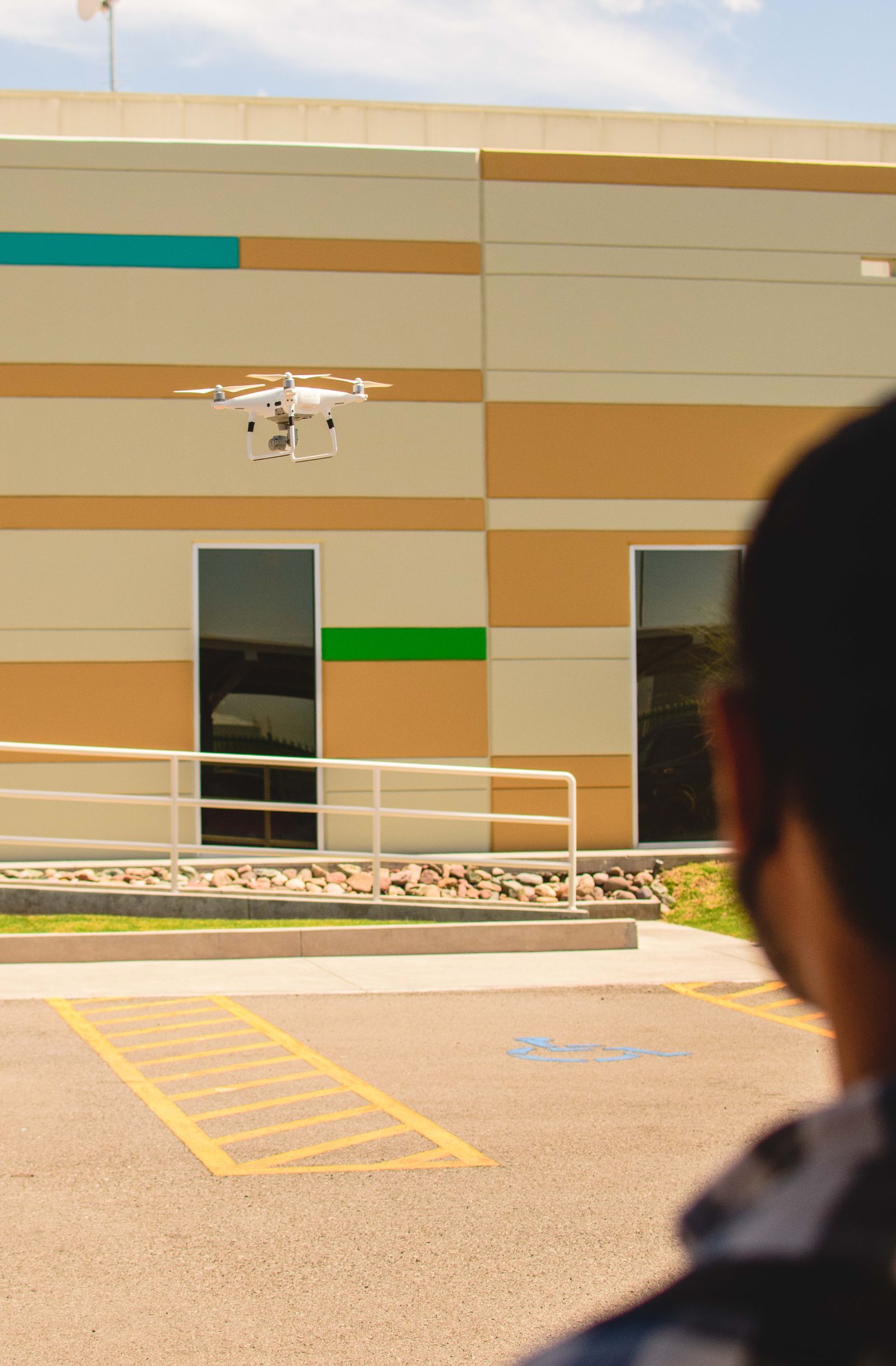
A low-rise downtown facade, a tall medical building, a warehouse wall, and a retail center do not share the same access plan. Identify level staging, hose routing, slip and trip controls, lift or pole reach, spotters, public separation, and a fallback if the preferred setup cannot be controlled. Height alone does not determine whether a lift, water-fed pole, ground setup, aerial assistance, or a hybrid method is appropriate. Wind, stand-off distance, launch and recovery space, facade compatibility, visibility, and runoff matter as much as reach.
Before water or cleaning solution is applied, map patient and guest entrances, accessible routes, employee doors, loading docks, air intakes, cameras, electrical equipment, landscaping, outdoor seating, vehicles, signs, neighboring property, and emergency access. A medical site may need an unobstructed drop-off and quiet window. A retail site may need tenant notices and a sequence that keeps the busiest entrance available. A warehouse may require a spotter around trucks, forklifts, trailers, and dock equipment. Identify who can pause the work when conditions change.
For taller work, aerial assistance can be considered only when current site conditions support it and the required authorization, weather, public separation, operating area, and contingency method are in place. It does not replace close assessment, hand detail, contact glass cleaning, or repairs. The quote should make access assumptions visible and should not imply guaranteed aerial feasibility before the property is reviewed.
Trace runoff before choosing the cleaning method
A curb inlet beside a Downtown sidewalk, Valley Mall parking area, Dual Highway frontage, medical drop-off, or warehouse yard is not automatic permission for treated water to enter it. The plan should account for products, removed soil, rinse volume, slope, planted areas, drain type, and the actual receiving path. Maryland's stormwater and industrial-permit resources make the broader point that commercial and industrial runoff needs controls and documented management. Site-specific requirements, discharge permissions, and the responsible property or environmental contact should be confirmed before work.
Watch the first rinse rather than trusting a dry inspection to predict every flow path. Water can travel beneath a door, across a sloped parking lane, down a loading ramp, into a planted low point, or toward an inlet faster than expected. Pause when the flow no longer matches the plan. Controls may include diversion, collection, recovery, reduced-rinse methods, filtration, disposal, plant protection, or coordination with the responsible authority. Closeout notes can record completed zones, remaining deposits, observed drainage concerns, and conditions that need another trade.
Request a quote that a Hagerstown facility team can approve
Send the property address, building use, approximate height, facade materials, priority elevations, visible deposits, desired timing, work hours, water access, nearby drains, steep or constrained areas, and known leaks, loose materials, coating failures, or prior cleaning damage. Photos of the main entry, shaded wall, upper wall, roof edge, loading area, windows, landscaping, and parking-side drainage help prepare for a site review. Mention whether the objective is an event-ready appearance, recurring maintenance, tenant turnover, a sale, or investigation of one recurring stain.
To discuss a Hagerstown property, call +1 239-351-2897, email contact@dronebuildingcleaners.com, or use the existing quote and contact path. Drone Building Cleaners can review whether soft washing, controlled pressure, aerial assistance, or a hybrid method fits the building and prepare a scope around the outcome you need. The proposal should identify included elevations, access, protection, weather, drainage, limitations, and work that belongs with another professional.